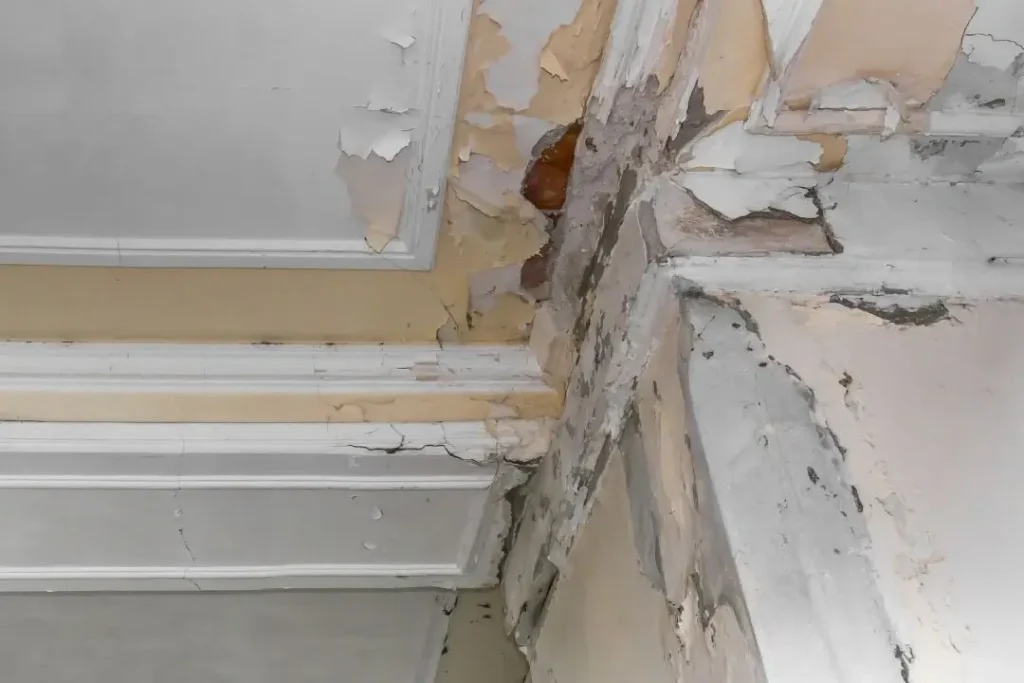
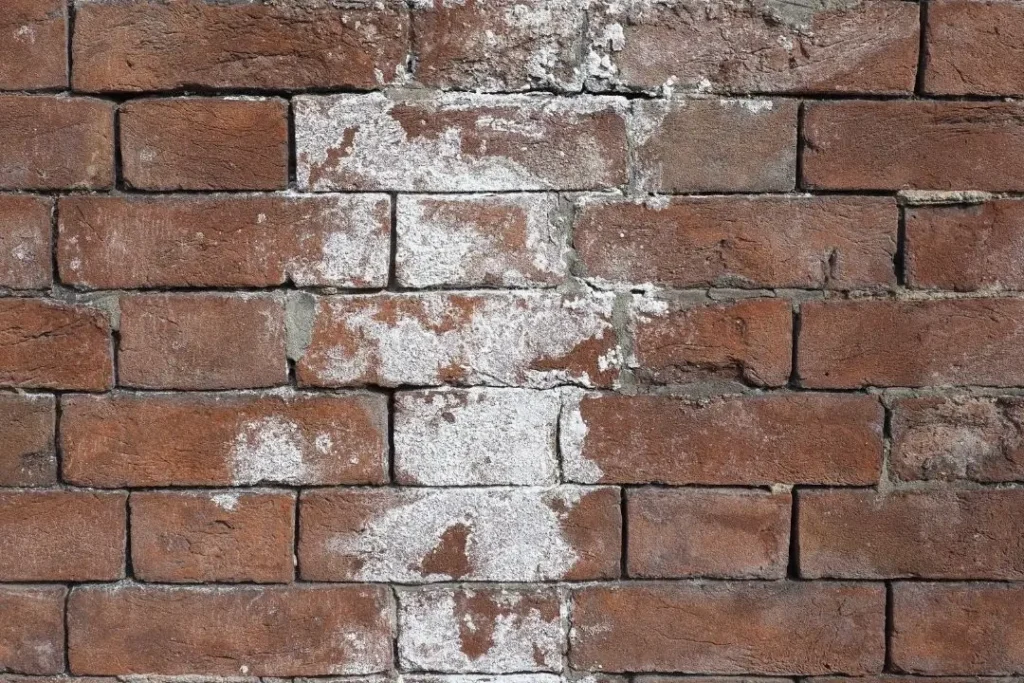
If you own a brick home in Frankston or anywhere across the Mornington Peninsula, you may have noticed some efflorescence, a chalky white residue, appearing on your exterior walls. It can come and go with the weather, often showing up after rain or humid conditions. While it may look harmless, this powdery substance is an eyesore and a sign that moisture is moving through the brickwork.
If it isn’t dealt with correctly, efflorescence can cause serious problems when the time comes to repaint. Painting over this residue almost always leads to peeling, bubbling, or premature paint failure. If you want your paint job to last more than a few seasons, this issue needs to be addressed properly before any exterior painting starts.
What is Efflorescence?
Efflorescence is a white, powdery salt deposit that forms on masonry surfaces such as brickwork, concrete block, rendered walls, and natural stone. It develops when moisture moves through these porous materials, dissolves naturally occurring salts inside them, and carries those salts to the surface. As the moisture evaporates, the salts are left behind as a chalky residue.
It’s commonly mistaken for mould, dust, or failing paint, but efflorescence is different. It isn’t caused by biological growth or poor paint quality. It’s a moisture-related issue and the visible powder is simply the symptom. Efflorescence can appear on new builds while fresh mortar or concrete is still curing and on older homes where moisture has found a pathway into the wall over time.
For a more detailed technical explanation of how efflorescence forms in masonry, this NATSPEC technical note on efflorescence provides a helpful overview.
Common Causes of Efflorescence on Masonry
Moisture Moving Through Porous Materials
Brick, concrete, and mortar are naturally porous, which means moisture can move through them more easily. When water enters the masonry, it dissolves natural salts within the bricks or mortar and carries them toward the surface. As the moisture evaporates, those salts are left behind, forming efflorescence.
Common Triggers Around the Home
Several everyday issues can encourage moisture movement through masonry including:
- Poor drainage that allows water to sit against walls
- Rising damp drawing ground moisture upward
- Leaking gutters or downpipes directing water onto brickwork
- Cracked mortar joints or render allowing water ingress
- New brickwork or mortar curing and releasing salts
Why Coastal and High-Humidity Areas are More Prone
Homes in coastal and bayside areas like Frankston and coastal Mornington Peninsula suburbs are particularly susceptible to efflorescence. Higher humidity levels, salt exposure, and frequent weather changes all increase the amount of moisture absorbed by masonry, making salt migration more likely over time.
Why You Should Never Paint Over Efflorescence
Poor Paint Adhesion
Efflorescence leaves salts sitting on the surface of brick and blockwork. These salts prevent paint from bonding properly, even when high-quality exterior paints are used. The paint may look fine at first, but it’s not properly anchored to the surface.
Peeling, Blistering, and Early Paint Failure
Painting over untreated efflorescence doesn’t stop the moisture movement inside the wall. As moisture continues to migrate outward, it pushes salts back to the surface, this time beneath the paint. With nowhere to go, pressure builds under the paint film. The result is bubbling, blistering, flaking, and chalking that can appear within months of painting. In severe cases, large sections of paint can lift away from the wall, exposing bare masonry underneath.

Higher Long-Term Costs
Repainting over efflorescence without proper treatment often leads to repeat paint failures and unnecessary expense. Addressing the issue correctly before painting protects the paint system and avoids the cost of having to repaint far sooner than expected.
How to Remove Efflorescence Properly
Removing efflorescence correctly depends on how heavy the build-up is and how often it returns. The key is to remove the salts without forcing more moisture into the masonry, which can make the problem worse over time.
1. Dry Brushing (Minor Efflorescence)
For light, powdery residue, dry brushing is enough. Use a stiff nylon or wire brush and only work on the surface once the brickwork is completely dry. Brushing while the wall is damp can dissolve the salts and draw them back into the masonry instead of removing them. Any residue should be collected or washed away afterwards so it doesn’t settle back onto the wall or surrounding surfaces.
2. Water Washing (Moderate Build-Up)
For more noticeable efflorescence, gentle water washing combined with brushing may be needed. This should be done using low pressure and minimal water. The aim is to remove surface salts, not saturate the wall.
Once washing is complete, the masonry must be allowed to fully dry before any further treatment or painting. High-pressure washing should be avoided as it can force water deeper into bricks and mortar, increasing the risk of salt movement.

3. Chemical Cleaners (Severe Efflorescence)
For heavy or recurring efflorescence, specialised masonry or efflorescence cleaners may be required. These are often acid-based products designed to neutralise and lift it from the surface. Products such as Aqua Mix Eff-Ex Efflorescence Remover are commonly used in professional masonry cleaning applications.
Chemical treatments must be used carefully and thoroughly rinsed and neutralised to avoid damaging the masonry or affecting future paint adhesion. Because of the risks involved, severe efflorescence is often best handled with the right experience and safety precautions.
Prevention Tips: Stopping Efflorescence From Returning
Removing efflorescence without addressing the source of moisture often leads to the problem returning. Preventing repeat build-up is about controlling how water enters and moves through your masonry. Here are some practical steps that can help reduce the risk of efflorescence returning:
- Fix leaking gutters, downpipes, and roof drainage issues before painting or sealing
- Improve ground drainage so water flows away from external walls, not toward them
- Repair cracked mortar joints, damaged render, and gaps that allow moisture ingress
- Use breathable masonry sealers that limit water penetration while allowing vapour to escape
- Allow new brickwork, mortar, and concrete adequate time to cure before painting
In the long term, moisture control matters more than the paint itself. Addressing these underlying issues gives any paint system the best chance of lasting.

Painting Advice: The Right Way to Paint Masonry After Efflorescence
Make Sure the Wall is Fully Dry
Before painting, the masonry must be completely dry and free of surface salts. Even small traces of efflorescence can interfere with paint adhesion and shorten the lifespan of the finish.
Use Breathable Masonry Products
Breathable masonry primers and sealers allow moisture vapour to escape while still bonding properly to brick and blockwork. Vapour-permeable masonry paints outperform standard acrylics on moisture-prone surfaces. For coastal areas like Frankston and the Mornington Peninsula, choosing the right system matters. Our guide to the best paint systems for bayside homes explains which products perform best in these conditions.
Paint at the Right Time
Dry, stable weather gives moisture time to escape before the paint is applied. Painting too soon or in damp conditions can trap moisture and cause efflorescence to reappear beneath the paint film.
Preparation Makes the Difference
Proper assessment, cleaning, priming, and product selection ensure the paint system works with the masonry. This preparation is what allows exterior paintwork to last.

When to Call a Professional Painter
Efflorescence isn’t always just a surface issue. If the white residue keeps returning, affects large areas of brickwork, or reappears soon after cleaning, it often points to an underlying moisture problem that needs proper assessment and needs to be rectified first.
A professional painter can identify contributing moisture issues and prepare the surface correctly using the right cleaning methods, primers, and breathable paint systems. For brick homes in Frankston and across the Peninsula, this level of preparation can significantly extend the lifespan of exterior paintwork and help avoid repeat repainting.
Treat the Cause, Not Just the Surface
Efflorescence is a moisture issue first and a paint issue second. The white powder that appears on brickwork is a sign that water is moving through the masonry and simply painting over it won’t solve the problem. Without proper removal and preparation, paint is likely to fail no matter how good the product is.
By treating efflorescence correctly and addressing moisture sources before repainting, homeowners can protect their masonry and achieve a finish that lasts. If you’re planning to repair or repaint a brick house in Frankston or across the Mornington Peninsula, we can assess the surface and prepare it properly before painting begins.
Give us a call on (03) 9007 2250 to arrange a free professional assessment and free quote before painting your brick home.